
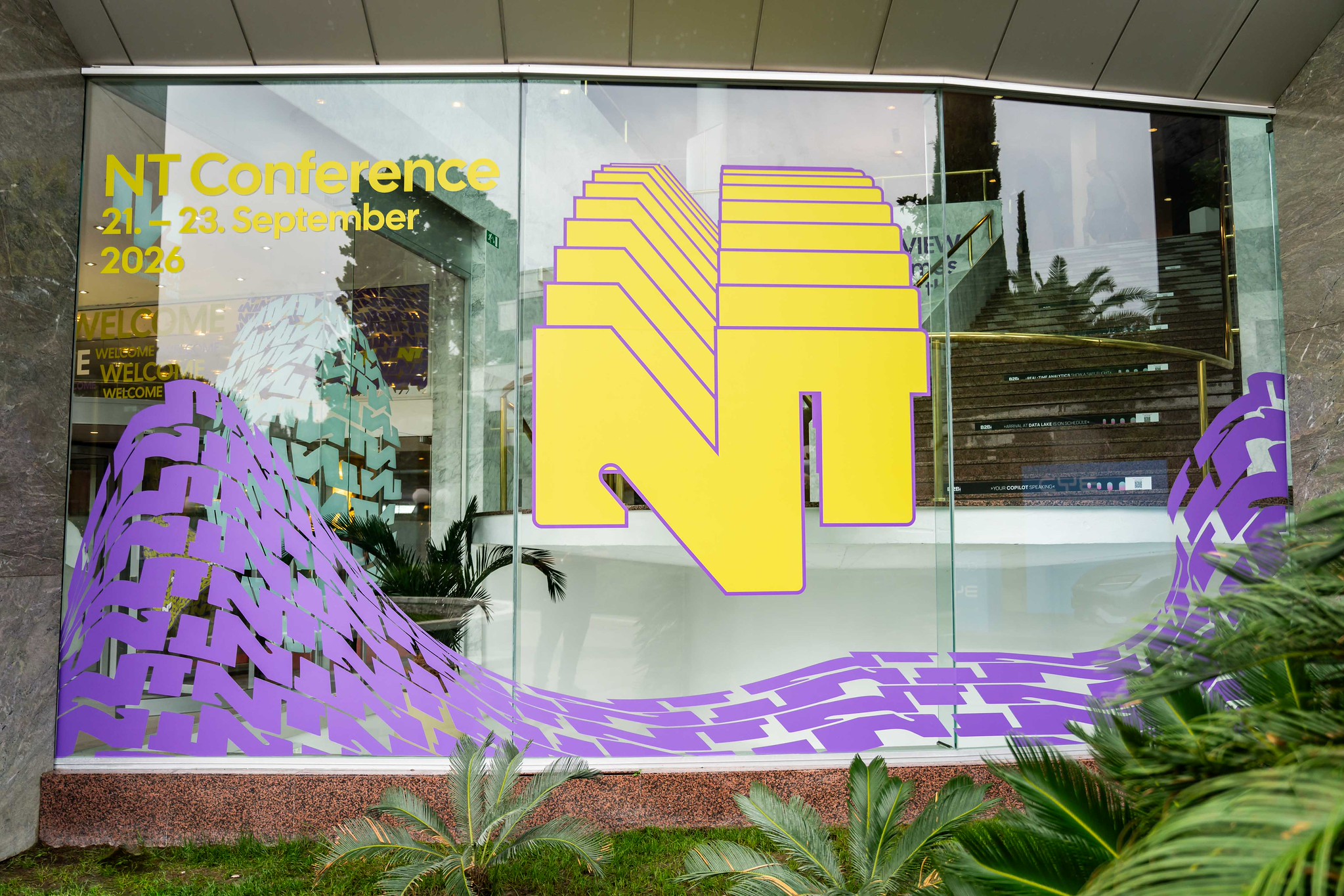
Making Technology Work: Our Takeaways from NT Conference 2026
At NT Conference 2026, we explored how to bring AI beyond the demo stage and ensure cybersecurity measures work in practice. Two sessions, one shared focus: turning technology into real-world value.
What does it take to turn innovative technology into solutions that work in the real world?
At this year’s NT Conference in Portorož, Comtrade System Integration addressed this question from two different perspectives: bringing artificial intelligence beyond the demo stage and ensuring that cybersecurity measures deliver protection that organizations can actually verify.
Through two expert sessions, we explored the technical challenges, practical considerations, and approaches needed to make technology reliable, secure, and valuable in everyday business operations.
Beyond the AI Demo: Bringing a Humanoid Robot into the Real World
A humanoid robot on stage is an impressive sight. But making its AI capabilities work reliably in a real customer environment is a much greater challenge.
In our first session, we took participants behind the scenes of a Unitree G1 humanoid robot deployment, sharing what it takes to move from an AI demonstration to a practical application.
The discussion covered the technology and infrastructure behind the deployment, including AI infrastructure, language models, speech processing, network integration, security, and DevOps. Each of these components plays an important role in ensuring that an AI-powered system can operate reliably beyond a controlled demonstration environment.
We also looked at the potential of NVIDIA technologies and vision-language-action (VLA) models, which represent an important step towards enabling robots to better understand their surroundings and translate that understanding into physical actions.
The session highlighted an important point: the real challenge of AI is not simply demonstrating what technology can do, but making it work consistently, securely, and reliably in real-world conditions.
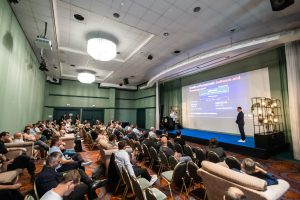
Dušan Jovičić, Lead Engineer & Bjorn Bračko, AI Integration Engineer


Cybersecurity: Having Security Controls Is Not Enough
Our second session addressed a different but equally important challenge: how can organizations demonstrate that their cybersecurity measures actually work?
Most organizations today have implemented essential security controls, such as multi-factor authentication (MFA), endpoint detection and response (EDR), security operations centers (SOC), and backup solutions.
But having these measures in place is only the starting point.
Can organizations prove that their security controls provide the protection they are designed to deliver?
During the session, we explored what comes under scrutiny when security effectiveness is assessed, including actual security coverage, exceptions, recovery testing, and evidence that detection mechanisms are functioning as expected.
The discussion emphasized the importance of moving beyond simply implementing security tools and focusing on their effectiveness in practice.
For organizations, this means being able to demonstrate not only that security measures exist, but also that they are properly implemented, regularly tested, and capable of responding when needed.
Ultimately, effective cybersecurity is not just about having the right tools. It is about having the evidence that those tools work.
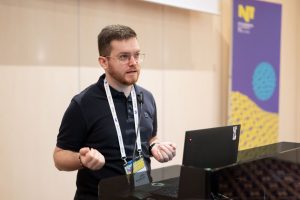
Albin Duraković, Cybersecurity Engineer